0%

Choosing the right Ab Coaster Fitness Machine in 2026 means looking beyond bold promises and polished product photos. Buyers should check how smoothly the carriage moves, whether the knee pads feel supportive, and if the frame stays steady during controlled repetitions. Small details matter. A narrow handle or awkward starting position can make a machine less comfortable to use, even when its specifications look impressive.

This guide helps buyers compare practical features, including resistance options, weight capacity, footprint, assembly requirements, and warranty coverage. Measurements matter: check the machine’s dimensions against your available floor space, and leave room to mount and dismount safely. Not just the price. A lower cost may come with fewer adjustments or limited support, while a higher price does not automatically mean a better fit. Product details can change, so confirm current specifications with the manufacturer or seller before ordering.

An ab coaster can add variety to a workout, but it cannot guarantee visible results or reduce fat in one specific area. Consistent training, appropriate technique, and realistic expectations still matter. That part is easy to overlook. This guide also considers who may prefer another style of core equipment, because one machine will not suit every body or routine. Treat each review as a starting point, and compare claims with measurable features before making a purchase.
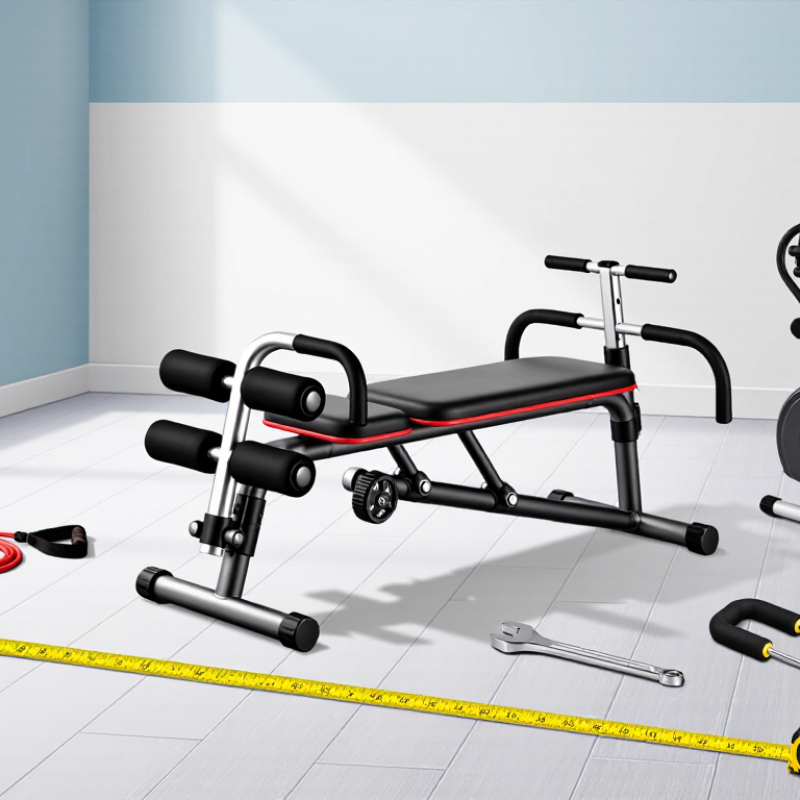
2026 Best Ab Coaster Fitness Machine for Buyers

How an Ab Coaster Works: Curved-Rail Motion and Core-Muscle Training

2026 Best Ab Coaster Fitness Machine for Buyers

How an Ab Coaster Works: Curved-Rail Motion and Core-Muscle Training

An ab coaster uses a padded seat or knee support that travels along a curved rail. You kneel, brace your hands, and pull your lower body upward through a controlled arc. The curve guides the movement; it does not do the work for you. Your abdominal muscles help move and stabilize your pelvis, while your arms and shoulders may assist. Keep your ribs stacked over your pelvis, and avoid swinging to reach the top. The motion should feel deliberate, not like a race. Small details matter.

The American College of Sports Medicine’s resistance-training guidance recommends 8–12 repetitions for many healthy adults building strength. That range can inform a starting point, but it is not a coaster-specific prescription. A 2001 ACE-sponsored electromyography study examined 13 abdominal exercises and found that muscle activation varied by exercise. It did not test every coaster design, so it cannot prove a curved-rail machine is superior.

That distinction matters.

Adjust the rail or resistance, if available, so you can lower smoothly and keep your back comfortable. I would not treat a burning sensation as proof of better results; fatigue is feedback, not a score. Pain is different. Stop and reassess your form or seek qualified guidance if discomfort persists.

Which Muscles It Trains: Distinguish Abdominal Focus from Full-Body Exercise

An ab coaster is designed to make repeated trunk flexion more controlled than floor crunches. You kneel on a padded carriage, hold the handles, and draw your knees toward your chest. The main effort should come from your abdominal muscles, especially the rectus abdominis. Your obliques help steady your torso and control side-to-side movement. Keep your ribs gently tucked; swinging the carriage can shift work away from your abs. Small, deliberate repetitions are usually more useful than chasing speed.

It is not a full-body strength machine. Your hip flexors assist as your legs travel, while your shoulders, arms, and upper back help stabilize your grip and posture. Those muscles are involved, but they do not receive the same focused training as your midsection. This distinction matters when comparing an ab coaster with exercises such as squats, rows, or loaded carries. Breathe steadily, and stop if your lower back feels pinched. That discomfort is worth taking seriously. A machine can guide the motion, but it cannot correct every habit. I have found that fatigue can make people pull hard with their arms; it is easy to mistake that effort for abdominal work. A mirror or lighter resistance may help you check your form.

How to Compare Models: Check Dimensions, Resistance, Weight Capacity, and Warranty

2026 Best Ab Coaster Fitness Machine for Buyers

Measure the machine’s full movement path, not just its parked footprint. Allow room for knees, handles, and a stable step-on area. A few extra centimeters can matter in a narrow bedroom. Check ceiling height, too, if the seat or track rises during use. ACSM’s 2025 Worldwide Survey of Fitness Trends ranked traditional strength training fifth among global fitness trends, based on responses from fitness professionals. That signals continued interest in strength work, but it does not prove every ab coaster delivers useful resistance. Test whether resistance changes smoothly and whether the lowest setting suits a beginner.

Compare the stated user-weight capacity with your own weight, and leave a sensible margin rather than buying at the limit. Verify that the rating applies to the user, not accessories or shipping weight. Read the warranty line by line: frame coverage may differ from coverage for rollers, cables, and upholstery. Ask how replacement parts are handled. Small print matters. A simple resistance scale is easier to compare than vague claims such as “advanced training.” I would also check for wobble on the actual floor surface; product photos rarely show that detail. A larger frame is not automatically safer, and a long warranty is less useful if wear parts are excluded.

2026 Best Ab Coaster Fitness Machine for Buyers — How to Compare Models

Compare the footprint, resistance system, user-weight limit, and warranty before buying. The profiles below are illustrative buying benchmarks, not verified specifications for specific products.

Comparison Profile Approx. Dimensions (L × W × H) Resistance Maximum User Weight Warranty to Look For Best Fit
Compact Home 42 × 24 × 50 in (107 × 61 × 127 cm) Body-weight movement; no adjustable resistance 250 lb (113 kg) At least 1 year on the frame; check coverage for parts and upholstery Smaller rooms and occasional home workouts
Adjustable-Resistance Home 48 × 26 × 54 in (122 × 66 × 137 cm) Selectable magnetic resistance, typically with several settings 300 lb (136 kg) At least 1 year on the frame and parts; confirm whether labor is included Regular home use and users who want to vary workout intensity
Heavy-Duty Home 52 × 30 × 58 in (132 × 76 × 147 cm) Adjustable resistance; inspect the adjustment range and operation 350 lb (159 kg) Look for 2 or more years on the frame, with separate parts coverage stated Higher-capacity needs or frequent use in a home gym
Studio-Style 56 × 32 × 60 in (142 × 81 × 152 cm) Adjustable resistance designed for repeated sessions 400 lb (181 kg) Seek clearly itemized frame, parts, and labor terms; commercial use may have different coverage Shared-use spaces where a larger footprint is acceptable
Buyer check: Measure the machine’s operating footprint and storage clearance, not just its folded dimensions. Resistance systems, weight limits, and warranty terms vary by model; verify current specifications and exclusions with the seller before purchase.

What Exercise Guidelines Say: HHS Recommends Strength Training at Least 2 Days Weekly

2026 Best Ab Coaster Fitness Machine for Buyers
What Exercise Guidelines Say: HHS Recommends Strength Training at Least 2 Days Weekly

The U.S. Department of Health and Human Services recommends muscle-strengthening activity on at least two days each week. Its Physical Activity Guidelines advise working all major muscle groups, including the legs, hips, back, abdomen, chest, shoulders, and arms. An ab coaster can target the abdominal muscles, but it cannot cover that full list by itself. That distinction matters.

The CDC’s National Center for Health Statistics reported that 24.2% of U.S. adults met both aerobic and muscle-strengthening guidelines in 2020 (NCHS Data Brief No. 443, 2022). That figure suggests many people may need simpler, more consistent routines—not just more equipment. When comparing an ab coaster, look for a stable frame, smooth movement, and a range of motion you can control without swinging. Check that the knee pads and handles fit your body comfortably. Small details count.

A practical plan might include brief ab-coaster sessions twice weekly, alongside strength work for other major muscle groups. Start gently. Stop if movement causes sharp pain, and seek qualified guidance if you have health concerns. One limitation is easy to overlook: a machine can make exercise convenient, but it cannot build consistency for you.

2026 Best Ab Coaster Fitness Machine for Buyers

What exercise guidelines say: U.S. HHS recommends muscle-strengthening activities at least 2 days per week.

An ab coaster can be part of core training, but the guideline calls for strengthening all major muscle groups. Include it within a balanced weekly routine.

How to Evaluate Safety and Value: Verify Stability, Fit, and Manufacturer Claims

An ab coaster should feel planted before it feels challenging. Set it on a hard, level floor and press each corner; rocking or a sliding front foot is a warning, not a minor annoyance. Check the frame joints, exposed bolts, seat padding, and whether the knees stay aligned with the track through a full, comfortable range. The stated user-weight limit should be easy to find, but a high limit alone does not prove durability. Ask for the test method behind load and stability claims. Vague promises are not evidence.

ACSM’s 2023 Worldwide Fitness Trends survey ranked strength training with free weights second among global trends. That signals broad interest in resistance exercise, not proof that any ab coaster works or is safe. Keep that distinction in mind. I still find fit harder to judge from product photos than from a real trial. If possible, test the machine: your hips should stay supported, and the handle should not force your shoulders forward. Check return, warranty, and assembly details too; a loose bolt after setup can change the experience.

Tips: Measure floor space before delivery. Confirm the machine suits your height and weight, then inspect the hardware after assembly. Compare claims with a manual or independent test documentation. If the motion causes sharp pain, stop. A little uncertainty is normal; unsupported certainty is not.

FAQS

Which muscles does an ab coaster mainly train?

It mainly works the rectus abdominis. The obliques help steady your torso. Hip flexors assist as your knees move toward your chest. Small, controlled repetitions matter.

Is an ab coaster a full-body strength machine?

No. Your arms, shoulders, and upper back help stabilize your grip, but receive less focused work. Add exercises for other major muscle groups.

How should I move on the machine?

Kneel on the padded carriage, hold the handles, and draw your knees toward your chest. Keep your ribs gently tucked. Avoid swinging. Slow down.

How often should I do strength training?

Exercise guidelines recommend strengthening all major muscle groups at least two days weekly. An ab coaster alone does not cover that full routine.

What should I check before using or buying one?

Place it on a hard, level floor. Press each corner and check for rocking. Inspect the frame joints, bolts, knee pads, and handles.

How can I tell if the machine fits me?

Your hips should stay supported, and your knees should move comfortably along the track. Handles should not force your shoulders forward. Photos can mislead.

What should I do if my lower back feels pinched?

Stop if you feel sharp pain or pinching. Do not force the movement. Seek qualified guidance if you have health concerns.

Does a high weight limit prove the machine is durable?

No. Check how the limit was tested and look for stability documentation. A large number alone proves little. I might still miss a loose bolt, so inspect the hardware again after assembly.

Conclusion

An Ab Coaster Fitness Machine uses a curved-rail motion to guide the knees or legs upward while the upper body stays supported. This movement emphasizes the abdominal area, especially when performed slowly with controlled breathing and without swinging. It is best understood as a focused core-training tool rather than a complete full-body workout, so buyers may want to pair it with exercises for other muscle groups.

Before choosing a model, compare its footprint, resistance options, weight capacity, and warranty, and check that its frame feels stable and fits your body comfortably. Look for clear, verifiable product information rather than relying on broad performance claims. Exercise guidelines from the U.S. Department of Health and Human Services recommend muscle-strengthening activities at least two days a week; an ab coaster can be one part of a balanced routine, adjusted to your fitness level and used with proper form.

Elowen

Elowen

Elowen is a professional marketing specialist with a deep understanding of the company’s products and the needs they are designed to address. Through careful research and close collaboration with colleagues across the business, Elowen turns product knowledge into clear, useful guidance for......