0%

Choosing a Commercial Air Rower is not simply a matter of comparing prices or counting resistance levels. In a busy gym, the right machine must survive repeated use, quick transitions, sweat, dust, and occasional careless handling. It should also feel smooth under a beginner’s hands and remain challenging for experienced athletes. That balance is easy to overlook.

Concept2 co-founder Dick Dreiss is often associated with a practical equipment principle: “The best machine is the one people will use consistently.” This idea fits commercial purchasing well. A rower may have a strong frame, advanced performance data, and an impressive warranty, but those features mean little if members dislike the handle, footplates, monitor, or noise level. Small details matter. A loose strap can frustrate users within minutes. A dim display can make interval training confusing. A rough seat may discourage longer sessions.

This guide presents 10 Tips for Choosing a Commercial Air Rower, focusing on durability, airflow resistance, user comfort, maintenance, technology, space planning, and total ownership cost. It also considers real-world experience, not only showroom specifications. Still, no buying guide can predict every gym environment. A quiet boutique studio has different needs from a crowded training facility. That is worth admitting.

The strongest choice is rarely the most expensive model. It is the rower that fits your members, staff, floor space, and maintenance habits. Measure carefully. Test the stroke. Listen to the flywheel. Then question the details that seem easy to ignore.
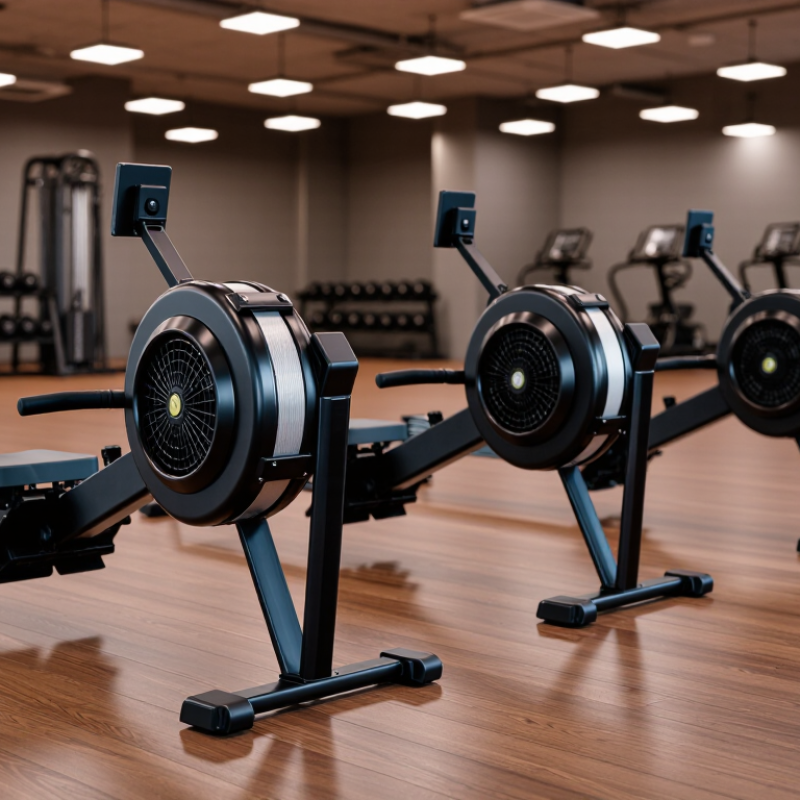
10 Tips for Choosing a Commercial Air Rower?

Define the Performance Needs of Your Commercial Air Rower

Defining the performance needs of a commercial air rower starts with the room, not the machine. A small studio may run six sessions daily, while a fitness center may serve hundreds of users. Record expected users, session length, stroke rates, and peak training periods. These details reveal the required frame strength and flywheel response.

Measure performance beyond maximum resistance. A reliable rower should deliver smooth acceleration during short sprints and stable resistance during longer intervals. Check whether the monitor displays watts, stroke rate, distance, pace, and heart-rate data clearly. Coaches need accurate feedback, especially when several users train together. Test the footrests and handle with different body sizes. Small fit problems become painful after repeated sessions.

Maintenance also affects real performance. Inspect the chain or belt path, rail, seat rollers, and fan housing after heavy use. Listen for rattling during a fast twenty-second effort. That sound may indicate looseness, not character.

Choose a design with accessible wear parts and clear service guidance. A warranty matters, but response time matters more when ten members share one training station. No specification sheet predicts every class perfectly. Leave room for real-world testing, staff feedback, and occasional mistakes.

Compare Frame Construction, Materials, and Long-Term Durability

A commercial air rower must survive thousands of sessions, not just look strong on a showroom floor. Inspect the frame joints closely. Continuous welds usually resist flexing better than small, uneven weld points. A broad steel base improves stability during hard pulls. It also reduces movement on rubber flooring. Check the frame tubing, because thin steel can bend under repeated commercial use. I have seen attractive machines develop loose joints after months of daily training.

Material choice affects maintenance and service life. Powder-coated steel handles frequent contact and protects against surface corrosion. However, chipped coating can expose bare metal. Aluminum frames resist rust and feel lighter, but some designs may flex more under heavier users. Stainless steel offers excellent corrosion resistance, though it can increase weight and cost. Examine the rail, seat rollers, foot supports, and fasteners as one system. Weak hardware can undermine an otherwise durable frame. Very short parts matter.

Ask whether replacement components remain available after heavy use. A useful warranty should clearly cover the frame, welds, and moving assemblies. Do not rely only on advertised weight limits. Test the rower with several body sizes if possible. Listen for clicking, scraping, or frame movement during a forceful stroke. I once prioritized a lower price and overlooked difficult maintenance access. That decision created unnecessary downtime. Durability is not only stronger material; it is also practical inspection and repair.

10 Tips for Choosing a Commercial Air Rower: Compare Frame Construction, Materials, and Long-Term Durability
Tip Evaluation Area What to Check Practical Target for Commercial Use Why It Matters Long Term
1 Frame Architecture Inspect the main chassis, cross-bracing, welds, joints, and the connection between the front and rear sections. Look for even weld beads, reinforced stress points, and minimal frame movement during hard strokes. Choose a rigid steel-based frame with reinforced joints and a stable base that does not rock when users apply maximum effort. A rigid frame reduces vibration, joint fatigue, and alignment problems caused by repeated high-load use.
2 Frame Materials Compare structural steel, aluminum rails, stainless-steel hardware, and polymer covers. Confirm that material selection matches the expected environment and user volume. Use corrosion-resistant hardware and a steel or reinforced-aluminum structure. Avoid thin decorative panels being used as load-bearing components. Appropriate materials help prevent corrosion, bending, surface damage, and premature loosening in busy facilities.
3 Rail and Seat System Check rail straightness, seat-wheel contact, wheel bearings, seat stability, and the ease of cleaning the rail. The seat should move smoothly without lateral play. Select a rigid rail with replaceable wheels or bearings and a seat that remains stable throughout the full stroke. The rail and seat assembly receives thousands of rolling cycles; poor alignment quickly causes noise, uneven wear, and rough movement.
4 Flywheel and Air-Resistance System Evaluate flywheel guarding, fan housing strength, axle alignment, handle return, and resistance adjustment. Test the rower at both low and high stroke rates. Choose a fully guarded flywheel with smooth rotation, consistent resistance response, and a protected airflow path. Balanced rotating parts and protected fan components reduce vibration, impact damage, and maintenance caused by dust or accidental contact.
5 Footrests and Foot Straps Inspect footplate thickness, heel supports, strap adjustment, strap anchors, and the security of the mounting hardware. Use adjustable footrests with reinforced strap anchors and replaceable straps. The footplates should remain stable for different shoe sizes. Foot hardware is exposed to repeated pushing, pulling, sweat, and incorrect mounting. Strong anchors reduce breakage and loose fittings.
6 Handle, Chain, or Drive Cord Examine handle grip, chain or cord coating, connection points, return speed, and the condition of the guide mechanism. Listen for scraping or irregular clicks. Select a handle with a durable non-slip grip and a drive component that is protected, replaceable, and easy to inspect. The drive system carries force on every stroke. Replaceable wear parts can significantly reduce downtime and ownership cost.
7 Fasteners and Corrosion Protection Check bolt quality, locking methods, exposed threads, finish consistency, and areas where sweat or cleaning liquid may collect. Prefer coated, stainless, or otherwise corrosion-resistant fasteners in exposed areas, with accessible points for periodic tightening. Sweat and frequent cleaning can corrode untreated metal, weaken threads, and cause structural looseness over time.
8 Weight Capacity and Stability Compare the published maximum user weight with the facility’s user profile. Test the machine for rocking, sliding, and frame flex during powerful strokes. Select a model with a clearly stated capacity that provides a sensible safety margin above the heaviest expected user. Adequate capacity and a wide, stable base lower stress on welds, feet, rails, and floor-contact points.
9 Maintenance and Replaceable Parts Confirm access to common wear items such as seat wheels, straps, grips, bearings, drive components, adjustment knobs, and hardware. Choose a design with clear maintenance access, documented service intervals, and individually replaceable wear components. Preventive maintenance is more effective when parts can be inspected and replaced without removing the entire frame.
10 Warranty and Serviceability Review separate coverage for the frame, mechanical components, electronics, and labor. Check service documentation, parts availability, and repair procedures. Select equipment with written commercial-use coverage, accessible technical support, and a documented process for obtaining replacement parts. A strong service plan helps control downtime and protects the investment when high-frequency use creates normal wear.

Evaluate Resistance Systems, Drive Feel, and Adjustability

Choosing a commercial air rower starts with its resistance system, not its frame color. In facility testing, air resistance feels natural because effort rises with stroke speed. A beginner can row gently, while a trained user can produce a demanding pull. The flywheel should accelerate smoothly, without a metallic rattle or sudden dead spot. Listen closely. A little noise is normal, but harsh vibration may signal poor balance or loose assembly. A damper changes airflow and feel; it does not replace correct technique. This distinction is often missed.

Drive feel deserves repeated testing. Push through the legs, then hips, then arms, and notice whether the handle stays connected. A strong rower should recover smoothly, without jerking your shoulders forward. Test slow strokes and short sprints. Some machines feel lively but become tiring during long sessions. Others feel stable yet dull. I prefer predictable feedback, especially in shared facilities where users vary widely. My own first impression has sometimes been wrong after twenty minutes.

Adjustability affects both comfort and injury prevention. Check footplates for secure straps, clear size markings, and quick adjustment. The handle should suit different hand sizes without forcing a cramped grip. Seat height matters for users with limited mobility or long legs. Confirm the rail length and monitor angle from several positions. Controls should remain readable under bright lights. Ask whether moving parts can be serviced easily. A rower may feel excellent on day one, yet maintenance access can decide its commercial value. Leave room for that uncomfortable question.

Check Console Features, Connectivity, and User Tracking

When choosing a commercial air rower, inspect the console before judging the frame. A clear display should show pace, stroke rate, distance, time, calories, and heart rate. During equipment evaluations, I look for readable numbers from several feet away. Tiny figures become useless in a busy training room.

Connectivity matters more than decorative graphics. Check Bluetooth, ANT+ support, USB updates, and compatibility with common training platforms. The 2024 Worldwide Survey of Fitness Trends identified wearable technology as a leading fitness trend, showing how strongly users value connected data. However, connection claims need testing. Pair several devices, restart the console, and check whether data remains accurate after repeated sessions. That detail is often overlooked.

User tracking should support multiple profiles, quick logins, workout history, and exportable data. A 2024 wellness market report found that 82% of United States consumers consider wellness an important priority, increasing demand for measurable progress.

Still, more data does not always mean better coaching. A console may record every stroke but fail to explain poor pacing. Ask whether coaches can compare weekly volume, identify declining output, and protect privacy. I would also question cloud dependence. If the internet fails, basic workouts should still function. Fancy dashboards can wait. Reliable records cannot.

Assess Maintenance, Warranty Coverage, and Total Ownership Cost

Tip: Inspect the maintenance routine before comparing purchase prices. A commercial air rower should have accessible chain, fan, rail, and monitor components. Check whether staff can clean the rail quickly after busy sessions. Dust around the fan cage can increase noise and resistance problems. A weekly inspection should include loose fasteners, chain lubrication, foot straps, and damaged cables. Keep a simple service log. Small omissions become expensive later.

Tip: Read the warranty line by line. Confirm that it covers commercial use, not only home training. Check coverage for the frame, moving parts, console, labor, and shipping. Ask how replacement parts are ordered and how service requests are handled. A long warranty sounds reassuring, but exclusions may weaken its value. Response time matters when one machine serves many members. Get important promises in writing.

Tip: Calculate total ownership cost over five years. Include delivery, installation, maintenance supplies, technician visits, replacement parts, and possible downtime. A cheaper rower may lose value if repairs interrupt scheduled classes. Estimate usage realistically, including peak hours and repeated cleaning. I would also test the machine with several users before purchasing. Comfort and noise can affect long-term satisfaction. My own tendency is to trust the upfront price too quickly. That is worth questioning. Reliable records, clear warranty terms, and practical service access usually reveal the better investment.

FAQS

How should a facility define its commercial air rower needs?

Start with the room and expected usage. Record daily users, session length, stroke rates, and busy training periods. Six classes require different durability from hundreds of daily users. Leave room for real-world surprises.

What performance should be tested beyond maximum resistance?

Test smooth acceleration during short sprints and stable resistance during long intervals. Maximum resistance alone says little. Observe twenty-second efforts and extended sessions.

Which monitor information matters during group training?

The monitor should clearly show watts, stroke rate, distance, pace, and heart-rate data. Coaches need readable feedback when several people train together. Bright lights can expose weak screen visibility.

How can users evaluate the drive feel?

Test slow strokes, fast sprints, and long intervals. The handle should stay connected through the legs, hips, and arms. Recovery should feel smooth, not jerky. My first impression has sometimes been wrong.

Is noise from the flywheel always a problem?

A little airflow noise is normal. Harsh vibration or metallic rattling may indicate poor balance or loose assembly. Listen during a fast twenty-second effort. Do not dismiss every strange sound.

What should buyers check about footrests and the handle?

Test them with different body sizes. Footrests need secure straps and clear size markings. The handle should fit various hand sizes without forcing a cramped grip. Small problems become painful later.

Why do seat height and rail length matter?

Seat height affects users with limited mobility and longer legs. Rail length should support different body sizes without restricting the stroke. Check the monitor angle from several positions. Comfort is not merely cosmetic.

What maintenance details can affect commercial value?

Inspect the chain or belt path, seat rollers, rail, and fan housing after heavy use. Choose accessible wear parts and clear service guidance. Warranty coverage helps, but response time matters more when one station serves ten members. Test it twice.

Conclusion

Choosing the right Commercial Air Rower requires more than comparing prices or appearance. Start by defining your performance needs, including expected daily usage, user fitness levels, training goals, and available space. Then examine the frame construction, materials, weight capacity, and overall durability to ensure the machine can withstand demanding commercial environments. Pay close attention to the resistance system, drive smoothness, stroke consistency, and adjustment options, as these factors directly affect comfort and workout quality.

A reliable console should provide clear performance data, useful training programs, connectivity options, and individual user tracking when needed. It is also important to review maintenance requirements, replacement-part availability, warranty coverage, and the expected total cost of ownership. A low purchase price may not represent good value if repairs, downtime, or difficult servicing become frequent. By evaluating performance, construction, technology, support, and long-term expenses together, facility managers can select a Commercial Air Rower that delivers consistent training experiences and dependable service for years.

Clara

Clara

Clara is a professional marketing specialist with a deep understanding of the company’s products, their practical applications, and the needs of the people who use them. She regularly contributes expert articles to the company website, turning product knowledge and industry insights into clear,......