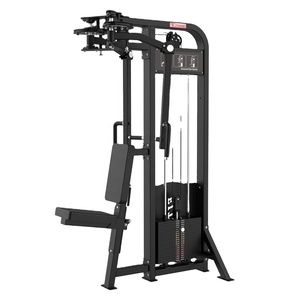
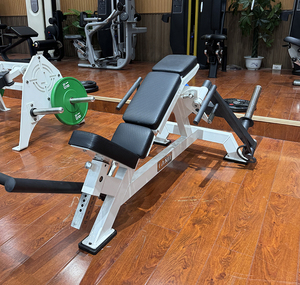
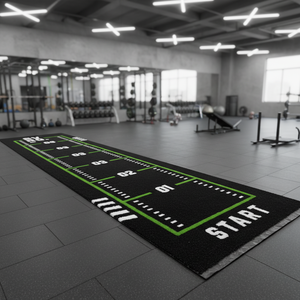
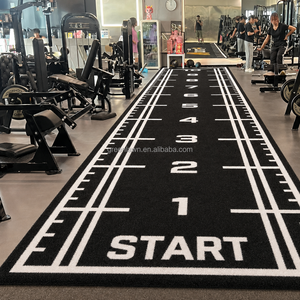
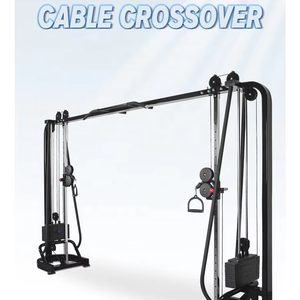
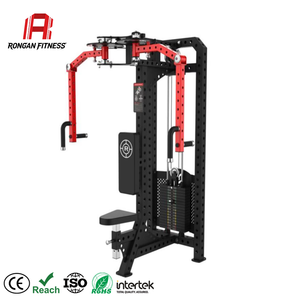
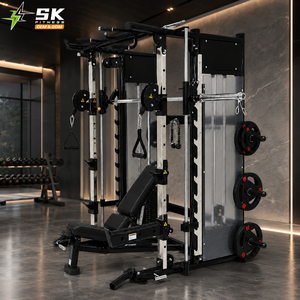
Explore our precision-engineered strength stations, plate-loaded machinery, specialized gym flooring, and commercial conditioning equipment optimized for heavy commercial usage.
In the rapidly evolving global commercial fitness market, procuring heavy-duty cardiovascular equipment requires an acute balance of biomechanical engineering excellence, long-term operational durability, and cost-effective supply chain management. Commercial elliptical cross trainers serve as a cornerstone asset for health clubs, hotel fitness centers, corporate wellness facilities, and rehabilitation centers worldwide. Unlike light-commercial or residential ellipticals, true commercial-grade ellipticals must operate continuously under heavy daily footfall (12 to 18 hours daily) without structural degradation or component failure.
China has established itself as the world's primary manufacturing hub for premium commercial fitness equipment, leveraging advanced industrial robotics, precision CNC tube bending, laser cutting technology, and automated powder coating processes. Leading Chinese original equipment manufacturers (OEM) and original design manufacturers (ODM) produce commercial elliptical trainers that meet or exceed stringent international standards, including ISO9001, CE, and European EN957-9 Class SA certification.
Information Gain Insight: Selecting the best commercial elliptical trainer manufacturer in China extends beyond price point negotiation. Procurement directors must analyze critical structural parameters including Q-Factor distance, stride dynamics, self-generating electromagnetic resistance systems, pedal track articulation, and frame steel tube wall thickness.
Optimized natural stride kinematics ranging from 20 to 24 inches with minimal pedal spacing (Q-Factor under 50mm) to minimize pelvic rotation and hip joint torque during extended cardio sessions.
Green self-powered generator systems utilizing heavy 18-24 kg inner flywheels and frictionless electromagnetic induction brakes (EMS), eliminating external power supply overhead for facility operators.
Heavy-gauge Q235 cold-drawn steel mainframes (3.0mm thickness) treated with multi-stage electrostatic powder coating, rated for continuous user loads up to 180–200 kg (400–440 lbs).
From an ergonomic perspective, an elliptical trainer must replicate the body's natural gait cycle—combining running, walking, and stair-climbing movements—without imparting high impact forces onto user joints. When reviewing technical proposals from Chinese suppliers, enterprise buyers must scrutinize three fundamental biomechanical dimensions:
The Q-Factor refers to the lateral distance between the inside edges of the two foot pedals. In natural human locomotion, feet land close together near the body's center of gravity. Commercial ellipticals with an excessively wide Q-Factor (>65mm) force users into an unnaturally wide stance, resulting in lateral hip sway, knee strain, and eventual lower back discomfort. Leading Chinese commercial manufacturers engineering top-tier equipment utilize offset crank arms and recessed frame geometry to maintain a Q-Factor between 30mm and 45mm, matching premium European and North American benchmarks.
Furthermore, the stride length must accommodate diverse user demographics. Fixed stride units should measure no less than 508 mm (20 inches), while advanced motorized variable-stride ellipticals dynamically adjust between 480 mm and 610 mm (19 to 24 inches) to serve athletes of varying heights seamlessly.
Commercial gym environments demand whisper-quiet operation and zero-maintenance resistance systems. Mechanical friction brakes or motor-controlled permanent magnet systems (PMS) are prone to premature wear under high-volume facility usage. Premier Chinese manufacturers integrate Self-Generating Electromagnetic Resistance Systems (EMS). These systems feature copper solenoid coils that generate eddy currents against a heavy balanced steel flywheel. Because there are no contact points or mechanical brake pads, wear and tear are virtually eliminated, providing ultra-smooth, instant resistance adjustments across 20 to 40 precision levels.
The linear guidance system supporting the foot pedals determines both feel and maintenance overhead. High-end commercial ellipticals from top Chinese factories utilize dual extruded aluminum alloy tracks paired with high-precision concave polyurethane rollers embedded with sealed Japanese NSK or SKF double-row bearings. This design distributes user weight evenly across four contact points, preventing pedal wobble, track derailment, and squeaking noise over millions of exercise cycles.
Understanding structural variations helps commercial procurement teams avoid under-specifying equipment for high-traffic environments.
| Specification / Feature | Heavy-Duty Commercial (Class SA) | Light Commercial / Studio | Residential Grade |
|---|---|---|---|
| Daily Recommended Usage | 12 – 18+ Hours / Day | 4 – 6 Hours / Day | 1 – 2 Hours / Day |
| Frame Material & Thickness | 3.0mm Q235 Steel Tubing | 2.0mm – 2.5mm Steel Frame | 1.2mm – 1.5mm Light Steel |
| Maximum User Weight | 180 kg – 200 kg (400–440 lbs) | 135 kg – 150 kg (300–330 lbs) | 100 kg – 120 kg (220–260 lbs) |
| Resistance Engine | Self-Generating EMS (Brushless) | Motorized Servo Magnet (PMS) | Manual or Small Servo Magnet |
| Flywheel Mass | 14 kg – 22 kg High-Inertia Balance | 8 kg – 12 kg Perimeter Flywheel | 5 kg – 8 kg Lightweight Flywheel |
| Pedal Track System | Dual Track / Extruded Aluminum | Single / Dual Track Hybrid | Single Rail / Direct Arm Mount |
| Bearing Specifications | Sealed Industrial NSK/SKF Bearings | Standard Sealed Ball Bearings | Bushing or Basic Bearings |
| Console & Connectivity | LED Matrix / TFT Touchscreen (IoT, ANT+) | Standard LCD / Bluetooth | Basic Segment LCD Display |
As the global fitness landscape evolves post-digital transformation, procurement managers, hotel developers, and commercial gym owners must align their equipment sourcing strategies with long-term technology trends. Chinese manufacturers are currently pioneering several structural innovations:
Energy efficiency has transitioned from a marketing selling point to an operational necessity. Commercial facilities operating dozens of cardio stations face rising utility bills. Modern Chinese commercial ellipticals feature integrated self-powered generators that turn user kinetic energy into electrical power, energizing the console displays, wireless phone charging pads, and internal EMS coils. Facilities eliminate the need for floor wiring grids, reducing installation costs and tripping hazards.
Smart facility management requires equipment connectivity. Leading Chinese cardio manufacturers now offer open-source API Android/Linux smart consoles (ranging from 15.6-inch to 21.5-inch HD touchscreens) supporting telemetry integrations with platforms like Zwift, Kinomap, Apple HealthKit, and MyZone. Equipment operators can remotely track machine usage, error codes, and maintenance schedules via centralized cloud dashboards.
Gym floor space optimization is driving demand for multi-mode cardio machines. Innovative manufacturers in Shandong and Jiangsu, China, are combining traditional cross-trainer elliptical paths with vertical stepper and variable-incline climber movements into a single unit. These hybrid ellipticals allow users to target quadriceps, glutes, hamstrings, and calves by simply altering their stride length and incline settings on the fly.
Selecting a reliable factory partner among thousands of trading companies and suppliers requires a methodical verification process. To ensure product reliability and shield your business from quality claims, follow this manufacturer qualification checklist:
Request business licenses (营业执照) to verify registered scope. True factories possess heavy metalworking machinery: fiber laser tube cutters, robotic welding arms (e.g., ABB or Yaskawa), and powder coating lines.
Demand independent laboratory test reports for EN957-1 (General Safety) and EN957-9 (Elliptical Trainers, Class SA for commercial use). Ensure CE, RoHS, and REACH certifications are current.
Audit the factory's internal QA procedures: dynamic fatigue load testing (minimum 500,000 cycles under 180kg payload), salt spray anti-corrosion testing for frame coatings, and 100% electrical burn-in testing for consoles.
Common inquiries from commercial gym owners, distributors, and procurement managers sourcing fitness machinery from China.
Standard factory production lead time for full container load (FCL) orders (20ft or 40ft HQ) typically ranges between 25 and 35 calendar days. Customized OEM requests with specific frame colorways, custom logo silk-screening, or specialized software branding may require 40 to 45 days.
A standard commercial warranty package should include: 7 to 10 years structural steel frame coverage, 2 to 3 years on the electromagnetic drive generator system and EMS resistance components, and 1 to 2 years on electronics/touchscreen consoles. Top manufacturers supply 1% to 2% free quick-wear spare parts (belts, bearings, pedal straps) with each container shipment.
Self-powered commercial ellipticals utilize an internal generator driven by the user's pedaling motion. Starting at just 20–30 revolutions per minute (RPM), the generator produces sufficient voltage to power the console display, activate the electromagnetic resistance coils, and maintain Bluetooth/wireless connections seamlessly.
Yes, premier Chinese OEM/ODM factories offer extensive customization options. Buyers can specify RAL color codes for frame powder coating, select matte or high-gloss finishes, add custom laser-cut brand badges, embed custom boot screens on smart consoles, and customize packaging cartons for retail or commercial distribution.
Front-drive ellipticals place the flywheel mechanism at the front, creating a slightly flatter, flatter-to-stair-climbing motion profile that is highly space-efficient. Rear-drive ellipticals position the flywheel at the back, yielding a flatter, smoother walking/running motion with fewer moving link joints. Both configurations are widely used in commercial settings when built on heavy-duty 3mm steel frames.
Commercial fitness equipment is partially disassembled and secured inside heavy-duty 7-ply corrugated export cartons reinforced with high-density EPE foam cradles and wooden corner posts. Heavy structural assemblies (such as mainframes) are often strapped directly to wooden pallets to ensure damage-free transit during multi-week ocean transport.
Whether you are outfitting a new commercial gym facility, upgrading your hotel fitness center, or expanding your regional equipment distribution network, our engineering team is ready to deliver factory-direct solutions tailored to your specifications.
Inquire Now