The global commercial fitness market is experiencing a structural transition toward space-optimized, highly versatile strength training ecosystems. As commercial facility operators, luxury hotel chains, corporate wellness hubs, and fitness franchisors aim to maximize revenue per square meter, Multi-Station Gym Systems, Dual-Function Selectors, and Heavy-Duty Functional Cable Crossovers have emerged as foundational capital investments. Sourcing directly from tier-1 Chinese fitness equipment manufacturers provides institutional buyers with unprecedented advantages in custom engineering, structural load tolerance, and total cost of ownership (TCO).
This technical whitepaper provides B2B buyers with comprehensive evaluation criteria—covering biomechanical cam design, laser-cut Q235 structural steel profiles, electrostatic thermostatic powder coating, cable tensile safety margins, and turnkey OEM/ODM supply protocols.
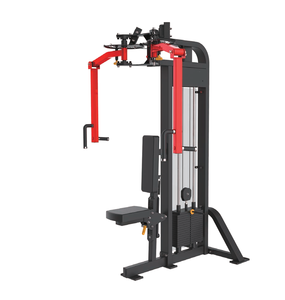
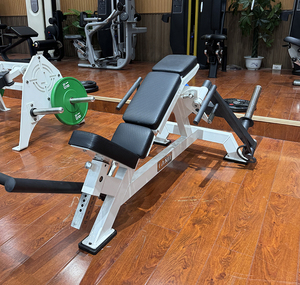
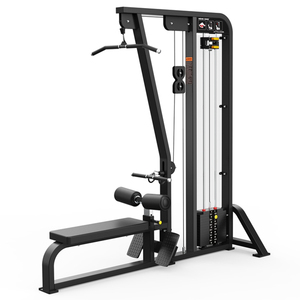
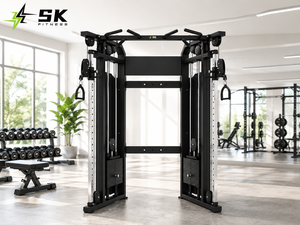
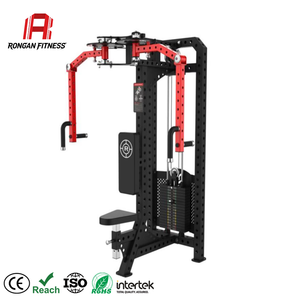
Modern multi-station systems incorporate converging and diverging biomechanical movement curves. By mirroring natural human kinesiology, machines minimize joint shear force while maintaining continuous muscular tension across the entire range of motion (ROM).
Leading Chinese manufacturers utilize modular structural architecture. 4-Stack, 5-Stack, 8-Stack, and 360-degree functional jungle towers can be customized to match floor geometry, consolidating multiple workout zones into one high-efficiency footprint.
To resist sweat corrosion and heavy impact, frames undergo a 7-stage phosphating pre-treatment followed by dual-layer electrostatic powder coating. Thermal curing at 220°C produces a durable, scratch-resistant matte or gloss finish.
Procurement strategies for commercial fitness networks have evolved beyond simple unit pricing. Today, international gym chains, commercial developers, and regional distributors focus on supply chain transparency, component standardized replacement cycles, and customized aesthetic alignment.
Buyers require customized frame dimensions, laser-etched brand logos, custom shroud colors, and specialized upholstery stitching to maintain brand identity across global facilities.
Modern commercial standards dictate 7x19 strand aircraft-grade steel cables enclosed in self-lubricating nylon jackets, paired with heavy-duty aluminum alloy pulleys for frictionless cable movement.
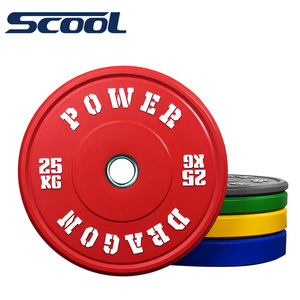
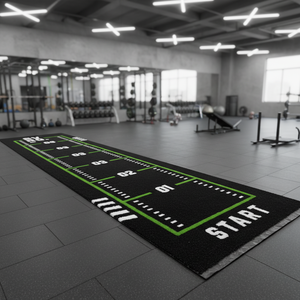
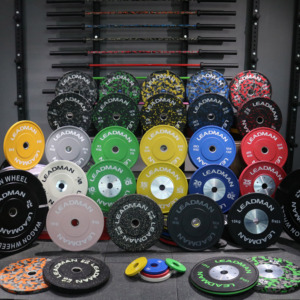
Gym layout design increasingly pairs multi-station strength towers directly with high-density synthetic sprint turf tracks and rubber bumper plate zones to facilitate HIIT and functional circuit training.
Manufacturers now use modular knock-down (KD) packaging protocols in reinforced wood boxes, optimizing container cubing efficiency and reducing transatlantic carbon footprint and transit damage.
| Structural Component | Commercial Grade Specification | Industrial Advantage | Operational Impact |
|---|---|---|---|
| Main Steel Frame | Q235 / Q355 Oval & Rectangular Tube (3.0mm Thickness) | High torsional rigidity & impact resistance | Prevents frame deformation under maximum load |
| Weight Stacks | Precision-Machined Pure Steel Plates with Magnetic Selector Pin | Low friction tolerance & smooth gliding | Eliminates noise, jamming, and premature guide rod wear |
| Cable System | 6.0mm Diameter 7x19 Stainless Aircraft Cable (1400kg Capacity) | Extremely high safety coefficient | Ensures zero line failure during high-velocity repetitions |
| Pulleys | CNC-Machined Anodized Aluminum Alloy Pulleys with Sealed Bearings | Superior wear resistance compared to nylon | Ultra-smooth pulling feel and extended cable service life |
| Upholstery | High-Density Molded PU Foam Covered with Ultra-Fiber Leather | Sweat-proof, tear-resistant, easy to clean | Maintains firm cushion support under continuous daily use |
Combining heavy structural engineering with automated production pipelines to supply worldwide commercial fitness networks.
Production facilities use multi-axis Fiber Laser Cutting machines and Panasonic/ABB robotic welding stations to ensure millimeter-accurate joint alignment, smooth weld seams, and uniform stress distribution across every frame.
Every structural multi-station model undergoes 200,000 continuous cycle stress tests under maximum stack capacity prior to mass production, confirming frame integrity and pivot point endurance.
In-house engineering teams assist gym developers with zone-by-zone spatial planning, offering 3D CAD and BIM layout files to optimize traffic flow, safety clearance, and equipment placement.
From raw material steel batch testing to final post-assembly functional checkups, manufacturing workflows strictly follow ISO9001 quality management systems and international CE/RoHS safety standards.