High-performance bumper plates, calibrated steel powerlifting discs, and commercial rubber-coated weight plates engineered for heavy-use fitness centers and competitive strength facilities.
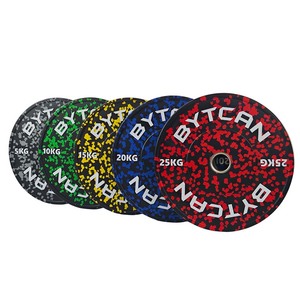
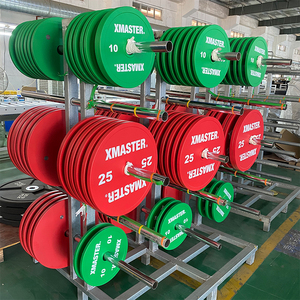
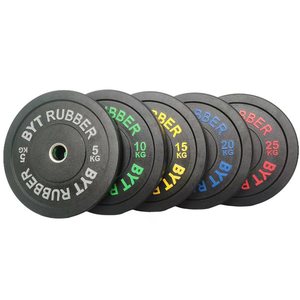
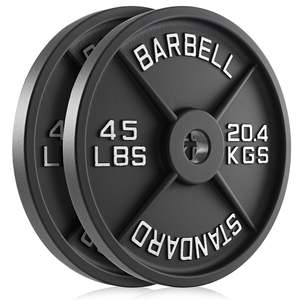
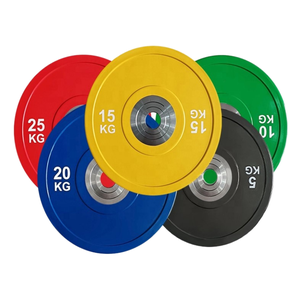
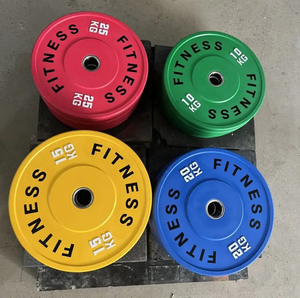
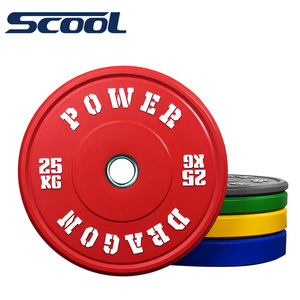
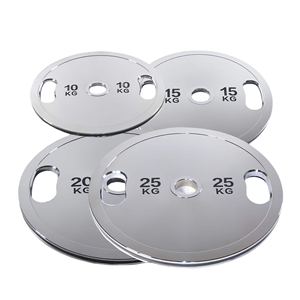
The global commercial fitness equipment industry relies overwhelmingly on Chinese manufacturing clusters for high-precision strength training gear. Specifically, the production of Olympic weight plates, IWF-spec bumper plates, and IPF-calibrated powerlifting discs is centered in key industrial hubs across Shandong (Rizhao, Dezhou, Qingdao) and Hebei provinces. Sourcing directly from top China weight plate manufacturers offers institutional buyers, fitness brand owners, and commercial gym operators unmatched economies of scale, advanced vulcanization molding technology, and strict adherence to international federation specifications.
Understanding the technical nuances of weight plate manufacturing is critical for procurement directors who aim to balance unit cost, structural longevity, shore hardness, and weight calibration accuracy. Modern strength training facilities demand bumper plates that can withstand thousands of high-impact drops from overhead positions while maintaining hub integrity, minimal dead bounce, and strict dimensional tolerances.
High-density Cast Polyurethane (CPU) provides superior tear resistance and odor-free operation compared to standard SBR rubber compounds. CPU plates feature dead-bounce performance essential for high-traffic CrossFit boxes and Olympic weightlifting halls.
The central collar bore (50.4mm to 50.6mm) is CNC-machined from SS304 stainless steel or hard-chromed forged steel. A hooked or co-molded inner ring locks the rubber matrix permanently, eliminating collar separation during repeated heavy drops.
Competition-grade plates undergo post-mold CNC trimming and precision lead-weight calibration to ensure weight variance remains within ±10 grams (or ±0.5%). Training plates are held within ±1% to 1.5% of declared weight.
Selecting the correct weight plate category requires analyzing training intent, floor preservation needs, and competition compliance. Below is a engineering comparison matrix across primary product categories manufactured in China:
| Plate Category | Core Material | Outer Coating | Shore Hardness | Center Collar Diameter | Weight Tolerance | Primary Application |
|---|---|---|---|---|---|---|
| IWF Competition Bumper Plates | Chromed Steel Core Disc | 100% Virgin NR Rubber / CPU | 90 - 94 Shore A | 50.4 mm (IWF Spec) | ±10 grams | Weightlifting Competitions, Elite Training |
| Training Bumper Plates | Cast Iron / Steel Insert | Blend SBR / Recycled Rubber | 85 - 88 Shore A | 50.6 mm | ±1.0% | Commercial Gyms, CrossFit Affiliates |
| IPF Calibrated Steel Plates | Machined Cast Steel | Electrostatic Powder Coating | N/A (Pure Steel) | 50.0 mm Thin Profile | ±10 grams | Powerlifting Meets, Heavy Strength Zones |
| Tri-Grip Rubber Coated Plates | Gray Cast Iron (HT200) | Vulcanized Odorless Rubber | 75 - 80 Shore A | 50.8 mm | ±2.0% | General Commercial Gym Setup, Benches |
| Pure Steel Electroplated Plates | Forged Carbon Steel | Hard Chrome / Zinc Plating | N/A (Metallic) | 50.5 mm | ±0.5% | Precision Home Gyms, Specialty Lifting |
Leading Chinese OEMs utilize automated compounding, precision hydraulic vulcanization presses (rated at 400 to 600 tons), and computerized drop-testing rigs. To guarantee that product shipments survive high-intensity commercial wear, top tier factories adhere to rigorous ISO9001 quality protocols:
Random samples from each production lot undergo automated drop testing from a height of 2.2 meters onto a standard wooden lifting platform overlaid with 20mm rubber tiles. Competition plates must survive 30,000 to 50,000 continuous drops without structural cracking or hub debonding.
A major concern for international buyers importing rubber weight plates is toxic chemical off-gassing. Premier manufacturers utilize non-recycled virgin natural rubber and low-sulfur vulcanization agents, complying strictly with European REACH and RoHS chemical standards.
Steel powerlifting discs are turned on multi-axis CNC lathes to achieve crisp bevel edges and precise outer diameters (450mm standard). Electroplating treatments include hard chrome, zinc coating, and black oxide to prevent oxidation under high humidity.
As the commercial fitness market evolves toward specialized functional training and high-end boutique aesthetics, weight plate manufacturing is undergoing a significant technological shift:
1. Expansion of Cast Polyurethane (CPU) Technology: While standard rubber plates remain cost-effective, high-tier facilities are transitioning to CPU plates due to their non-marking properties, superior color retention, and resistance to UV discoloration and chemical abrasion.
2. Micro-Calibrated Powerlifting Gear: Powerlifting's surging global popularity has spiked demand for ultra-thin calibrated steel plates. Thin profile designs allow lifters to load over 700kg onto a standard barbell sleeve, requiring manufacturers to implement strict zero-tolerance weight matching procedures.
3. Eco-Friendly & Sustainable Rubber Compounds: Leading Chinese suppliers are investing in eco-friendly thermopolyurethane (TPU) and recycled tire rubber refining processes that reduce carbon footprints during vulcanization without compromising tensile strength.
4. Full OEM/ODM Customization: Custom branding is no longer limited to basic screen printing. Top manufacturers now offer raised molded rubber logos, laser-etched stainless steel hubs, and custom color pantones matched to gym franchise branding guidelines.
Partnering directly with an established manufacturer eliminates multi-tier trading margins, provides direct access to engineering staff for custom mold development, and ensures single-point accountability for global shipments. Whether you are outfitting a single functional training studio or a multi-location commercial gym chain, unified procurement simplifies logistics and quality assurance.
Combine your Olympic weight plate orders with commercial treadmills, selectorized strength lines, power racks, and adjustable benches in consolidated container shipments.
Every lot undergoes pre-shipment dimensional inspections, Shore A hardness checks, weight verification, and drop-impact testing before container loading.
Comprehensive export compliance, custom branded packaging, palletization, and DDP/FOB shipping support for gym equipment distributors worldwide.
Key technical and commercial considerations when importing weight plates from Chinese manufacturers.
Connect directly with our engineering and procurement team for custom OEM branding, factory wholesale price sheets, and full container shipping quotes.
Contact Us