Engineering Standards for Melbourne's Commercial Fitness Sector
Analyzing Biomechanical Integrity, Load Vectors, and Material Selection for High-Traffic Australian Facilities
Structural Integrity & Heavy Q235 Carbon Steel Frame
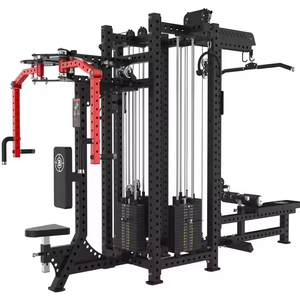
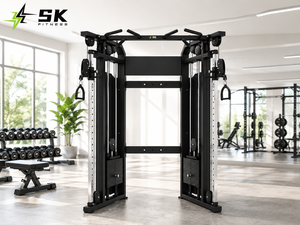
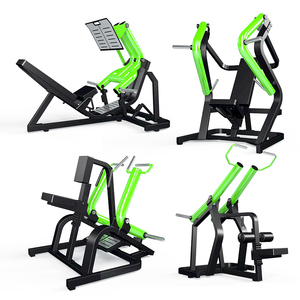
Melbourne’s commercial gym landscape—ranging from bustling 24/7 franchise clubs in Richmond and South Yarra to elite athlete performance centers in Carlton—demands strength equipment built for continuous, round-the-clock utilization. As a direct OEM factory exporter, our selectorized strength machinery is built on heavy-duty Q235 structural carbon steel tubing, featuring 50×100mm and 60×120mm oval frame profiles with a minimum wall thickness of 3.0mm. Each chassis undergoes automated robotic TIG welding to eliminate localized stress points, followed by a multi-stage shot-blasting process that preps the metal for dual-layer electrostatic thermosetting powder coating. This ensures maximum resistance against sweat-induced corrosion, high-humidity coastal salt air, and heavy cosmetic wear over decades of high-volume usage.
Biomechanical Resistance Cams & Variable Cam Geometry
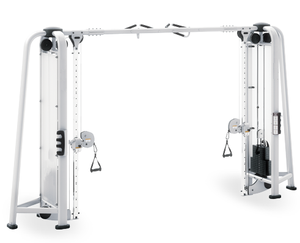
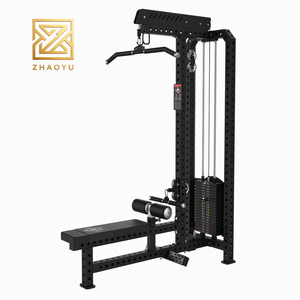
Unlike standard generic pin-loaded equipment that suffers from friction spikes and uneven force curves, our engineering team utilizes computer-modeled variable resistance cams designed to mirror human muscular strength curves. Whether executing a selectorized Lat Pulldown, Chest Press, or Leg Extension, the resistance dynamically adjusts throughout the range of motion—providing optimal muscular tension at peak contraction while safeguarding joint capsules at extreme ranges. Equipped with self-lubricating DuPont™ high-density nylon pulleys and sealed Japanese NSK precision bearings, our cable drive systems ensure an ultra-smooth, silent fluid glide. Internal drive lines utilize aviation-grade 7×19 strand flexible steel cables coated in self-extinguishing nylon polymer, rated to withstand tensile loads exceeding 2,000 kg (20 kN).
“For commercial facility operators across Victoria, selecting direct-from-factory selectorized strength machinery isn't merely a capital expenditure saving—it's an operational risk-mitigation strategy. Biomechanical precision directly correlates with member retention, reduced machine downtime, and compliance with stringent Australian AS/NZS ISO 20957 safety standards.”
| Engineering Specification | Factory Export Grade (Our Standard) | Standard Commercial Grade | Light Residential / Entry Grade |
|---|---|---|---|
| Main Frame Tube Profile | 3.0mm Q235 Structural Oval Steel (120×60mm) | 2.0mm - 2.5mm Rectangular Steel | 1.5mm Square Steel Tubing |
| Pulley & Bearing Assembly | DuPont Nylon Pulleys + Japanese NSK Bearings | Standard Cast Aluminum / ABS Pulleys | Plastic Pulleys w/ Unsealed Bushings |
| Drive Cable Tensile Strength | 2,000 kg (7×19 Aviation Steel Wire) | 1,200 kg Commercial Cable | 600 kg PVC Coated Wire |
| Weight Stack Plates | Precision Laser-Cut Cold Rolled Solid Steel | Cast Iron Plates | Concrete Filled Plastic Shells |
| Upholstery & Padding | Commercial Ultra-Fiber Leather + High-Density Molded Foam | Standard Synthetic Vinyl + Cut Sponge | Basic PVC Fabric + Low Density Foam |
| Surface Finish Treatment | Multi-Stage Zinc Phosphate + Dual Electrostatic Powder Coat | Single Spray Paint Coating | Single Layer Dip Painting |